Our Uncelebrated Heroes: Glasses In The Past


Content Produce By-Moses Walker
Over the years, glasses have played a critical role in enhancing human vision and are often ignored in discussions about advancement and development. These unsung champions of our everyday lives have changed the way we see the world, allowing numerous individuals to enjoy enhanced clarity and higher quality of life. From their humble beginnings in the early 1200s to the advanced lens technologies we have today, spectacles have progressed remarkably, offering solutions for multiple vision challenges such as astigmatism and age-related vision changes.
As we explore the rich history of eyeglasses, we will look into how they have become vital tools for vision correction across various demographics. We'll talk about the interplay between eyeglasses and contact lenses, guiding you on how to choose the appropriate pair for your needs. Whether you are searching for budget-friendly glasses, progressive lens options, or eyeglasses designed especially for kids, understanding these facets will highlight just how significant these sight-enhancing tools have been in the journey of human vision enhancement.
Categories of Spectacles
Spectacles come in a variety of types, each designed to meet specific vision needs. One common type is prescription eyeglasses, that are customized to fix refractive errors such as nearsightedness, farsightedness, and irregular vision. These lenses ensure that individuals can see sharply at different ranges, making daily tasks more manageable. They are essential tools for millions of people who rely on them for improved vision.
Another important type of spectacles is for targeted vision adjustment. This includes progressive lens eyeglasses, which provide a smooth transition between various vision zones for people who need assistance with both far and near vision. Additionally, eyeglasses specially designed for astigmatism feature customized lens shapes to accommodate the irregular curvature of the cornea, ensuring optimal clarity. Each of these glasses fulfills distinct roles in improving visual comfort.
Spectacles also differ based on the target audience they cater to. There are stylish options for men and women that consider not just function but also style, allowing wearers to express their personal style. Furthermore, kid's eyeglasses are designed with durability and ease in mind, taking into account the energetic lifestyles of children users. These variations highlight the flexibility of eyeglasses and their importance across different age groups and requirements.
Choosing the Ideal Set
In the process of choose the right set of eyeglasses, think about your vision needs initially. Regardless of whether you want prescription eyeglasses for daily wear or reading glasses for intermittent wear, knowing your particular requirements is crucial. For those with astigmatism, specific eyeglasses designed for vision correction can significantly enhance clarity. Moreover, if you are looking for progressive lens eyeglasses, it is vital to ensure they are fitted properly to provide a smooth transition between different vision zones.
Then, consider your style and how your new eyeglasses will fit into your lifestyle. Cost-effective eyeglasses do not have to sacrifice style for cost. There are numerous fashionable options for eyeglasses for men, ladies, and youths. Evaluate frame shapes, materials, and colors that connect with you while keeping comfort in mind. For an active lifestyle, think about frames that are sturdy yet light, which will stay secure during physical activities.
In conclusion, don't overlook to factor in lens features that may enhance your visual experience. Anti-reflective coating eyeglasses canlessen glare, making them ideal for night driving or extended computer use. When try this vs contact lenses, evaluate which option will be more convenient for your daily routine. Choosing the correct pair is about achieving a balance between utility, style, and comfort to accommodate your individual vision needs.
Glasses vs Contact Lenses
When it comes to correcting vision, both eyeglasses and contacts have their pros and cons. Eyeglasses are often seen as easier to use; they simply sit on the nose and temples and can be removed at any time. Many individuals appreciate the instant ease of putting on their eyewear without needing any additional steps. Additionally, prescription glasses can be stylish accessories, showcasing personal taste and fashion. However, they can become smudged, fog up, or slide down the nose, which may detract from wearability during specific tasks.
On the other hand, contacts provide a more unobtrusive solution for those who prefer not to wear glasses. They offer a wider field of vision without obstructions and are not as influenced by environmental factors, such as precipitation or fog. Contact lenses can be ideal for active lifestyles and sports, as they do not bounce or slide around. Moreover, there are various types of contact lenses available, including those for astigmatism and multifocal lenses, making them appropriate for a range of vision correction needs.
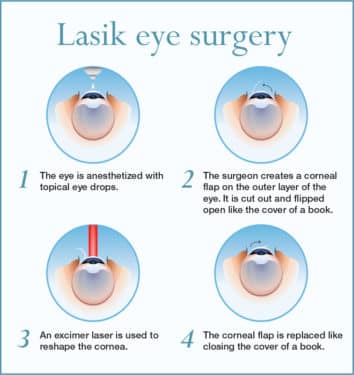
Ultimately, the decision between glasses and contact lenses depends on personal choice, way of life, and specific visual needs. For https://www.globenewswire.com/en/news-release/2020/02/04/1979288/0/en/Ophthalmic-Surgical-Devices-Market-to-Hit-12-75-Bn-by-2026-Increasing-Popularity-of-LASIK-Surgical-Procedure-to-Boost-Market-Growth-Fortune-Business-Insights.html weighing affordability, budget-friendly glasses can be a cost-effective option, while contact lenses often require ongoing expenses for maintenance. It's essential to evaluate how each choice aligns with individual comfort, vision correction needs, and daily activities to make the best choice.
Tailored Eyeglasses for Varied Needs
When it pertains to vision correction, tailored eyeglasses cater to a wide range of needs that go above standard prescriptions. For individuals with conditions like astigmatism, dedicated designs and lens shapes help to provide clearer vision by adjusting for irregularities in the cornea. Eyeglasses for astigmatism often include specific lens types that can correct both near and distance vision, allowing wearers to experience improved clarity and comfort.
Multifocal lens eyeglasses serve a unique purpose by offering a smooth transition between several prescriptions in one pair of glasses. This design is particularly beneficial for those who require different strengths for viewing at different distances. Wearers can enjoy the convenience of not needing to switch between various pairs of glasses for reading, using a computer, or looking at objects far away, making these lenses an ideal choice for those over the age of 40 who are experiencing presbyopia.
For children, finding the right pair of eyeglasses is essential due to the rapid development of their eyes. Children's eyeglasses must not only be functional but also durable and comfortable, as kids are often physical. Innovative options such as flexible frames and lightweight materials enhance the wearability for children, ensuring that they can see well while taking part in various activities. Finding affordable eyeglasses that fit a child's unique vision needs helps lay the foundation for a lifetime of healthy eyesight.